Product Description
.webp)
How does variable speed drive technology improve air compressor efficiency?
Variable Speed Drive (VSD) technology improves air compressor efficiency by allowing the compressor to adjust its motor speed to match the compressed air demand. This technology offers several benefits that contribute to energy savings and enhanced overall system efficiency. Here’s how VSD technology improves air compressor efficiency:
1. Matching Air Demand:
Air compressors equipped with VSD technology can vary the motor speed to precisely match the required compressed air output. Traditional fixed-speed compressors operate at a constant speed regardless of the actual demand, leading to energy wastage during periods of lower air demand. VSD compressors, on the other hand, ramp up or down the motor speed to deliver the necessary amount of compressed air, ensuring optimal energy utilization.
2. Reduced Unloaded Running Time:
Fixed-speed compressors often run unloaded during periods of low demand, where they continue to consume energy without producing compressed air. VSD technology eliminates or significantly reduces this unloaded running time by adjusting the motor speed to closely follow the air demand. As a result, VSD compressors minimize energy wastage during idle periods, leading to improved efficiency.
3. Soft Starting:
Traditional fixed-speed compressors experience high inrush currents during startup, which can strain the electrical system and cause voltage dips. VSD compressors utilize soft starting capabilities, gradually ramping up the motor speed instead of instantly reaching full speed. This soft starting feature reduces mechanical and electrical stress, ensuring a smooth and controlled startup, and minimizing energy spikes.
4. Energy Savings at Partial Load:
In many applications, compressed air demand varies throughout the day or during different production cycles. VSD compressors excel in such scenarios by operating at lower speeds during periods of lower demand. Since power consumption is proportional to motor speed, running the compressor at reduced speeds significantly reduces energy consumption compared to fixed-speed compressors that operate at a constant speed regardless of the demand.
5. Elimination of On/Off Cycling:
Fixed-speed compressors often use on/off cycling to adjust the compressed air output. This cycling can result in frequent starts and stops, which consume more energy and cause mechanical wear. VSD compressors eliminate the need for on/off cycling by continuously adjusting the motor speed to meet the demand. By operating at a consistent speed within the required range, VSD compressors minimize energy losses associated with frequent cycling.
6. Enhanced System Control:
VSD compressors offer advanced control capabilities, allowing for precise monitoring and adjustment of the compressed air system. These systems can integrate with sensors and control algorithms to maintain optimal system pressure, minimize pressure fluctuations, and prevent excessive energy consumption. The ability to fine-tune the compressor’s output based on real-time demand contributes to improved overall system efficiency.
By utilizing variable speed drive technology, air compressors can achieve significant energy savings, reduce operational costs, and enhance their environmental sustainability by minimizing energy wastage and optimizing efficiency.
.webp)
How does the horsepower of an air compressor affect its capabilities?
The horsepower of an air compressor is a crucial factor that directly impacts its capabilities and performance. Here’s a closer look at how the horsepower rating affects an air compressor:
Power Output:
The horsepower rating of an air compressor indicates its power output or the rate at which it can perform work. Generally, a higher horsepower rating translates to a greater power output, allowing the air compressor to deliver more compressed air per unit of time. This increased power output enables the compressor to operate pneumatic tools and equipment that require higher air pressure or greater airflow.
Air Pressure:
The horsepower of an air compressor is directly related to the air pressure it can generate. Air compressors with higher horsepower ratings have the capacity to produce higher air pressures. This is particularly important when operating tools or machinery that require specific air pressure levels to function optimally. For example, heavy-duty pneumatic tools like jackhammers or impact wrenches may require higher air pressure to deliver the necessary force.
Air Volume:
In addition to air pressure, the horsepower of an air compressor also affects the air volume or airflow it can provide. Higher horsepower compressors can deliver greater volumes of compressed air, measured in cubic feet per minute (CFM). This increased airflow is beneficial when using pneumatic tools that require a continuous supply of compressed air, such as paint sprayers or sandblasters.
Duty Cycle:
The horsepower rating of an air compressor can also influence its duty cycle. The duty cycle refers to the amount of time an air compressor can operate continuously before it needs to rest and cool down. Higher horsepower compressors often have larger and more robust components, allowing them to handle heavier workloads and operate for longer periods without overheating. This is particularly important in demanding applications where continuous and uninterrupted operation is required.
Size and Portability:
It’s worth noting that the horsepower rating can also affect the physical size and portability of an air compressor. Higher horsepower compressors tend to be larger and heavier due to the need for more substantial motors and components to generate the increased power output. This can impact the ease of transportation and maneuverability, especially in portable or mobile applications.
When selecting an air compressor, it is essential to consider the specific requirements of your intended applications. Factors such as desired air pressure, airflow, duty cycle, and portability should be taken into account. It’s important to choose an air compressor with a horsepower rating that aligns with the demands of the tools and equipment you plan to operate, ensuring optimal performance and efficiency.
Consulting the manufacturer’s specifications and guidelines can provide valuable information on how the horsepower rating of an air compressor corresponds to its capabilities and suitability for different tasks.
.webp)
How does an air compressor work?
An air compressor works by using mechanical energy to compress and pressurize air, which is then stored and used for various applications. Here’s a detailed explanation of how an air compressor operates:
1. Air Intake: The air compressor draws in ambient air through an intake valve or filter. The air may pass through a series of filters to remove contaminants such as dust, dirt, and moisture, ensuring the compressed air is clean and suitable for its intended use.
2. Compression: The intake air enters a compression chamber, typically consisting of one or more pistons or a rotating screw mechanism. As the piston moves or the screw rotates, the volume of the compression chamber decreases, causing the air to be compressed. This compression process increases the pressure and reduces the volume of the air.
3. Pressure Build-Up: The compressed air is discharged into a storage tank or receiver where it is held at a high pressure. The tank allows the compressed air to be stored for later use and helps to maintain a consistent supply of compressed air, even during periods of high demand.
4. Pressure Regulation: Air compressors often have a pressure regulator that controls the output pressure of the compressed air. This allows the user to adjust the pressure according to the requirements of the specific application. The pressure regulator ensures that the compressed air is delivered at the desired pressure level.
5. Release and Use: When compressed air is needed, it is released from the storage tank or receiver through an outlet valve or connection. The compressed air can then be directed to the desired application, such as pneumatic tools, air-operated machinery, or other pneumatic systems.
6. Continued Operation: The air compressor continues to operate as long as there is a demand for compressed air. When the pressure in the storage tank drops below a certain level, the compressor automatically starts again to replenish the compressed air supply.
Additionally, air compressors may include various components such as pressure gauges, safety valves, lubrication systems, and cooling mechanisms to ensure efficient and reliable operation.
In summary, an air compressor works by drawing in air, compressing it to increase its pressure, storing the compressed air, regulating the output pressure, and releasing it for use in various applications. This process allows for the generation of a continuous supply of compressed air for a wide range of industrial, commercial, and personal uses.
<img src="https://img.hzpt.com/img/air-compressor/air-compressor-L1.webp" alt="China wholesaler High Efficiency Industrial Drive Air Cooling Screw Air Compressor with Great quality”><img src="https://img.hzpt.com/img/air-compressor/air-compressor-L2.webp" alt="China wholesaler High Efficiency Industrial Drive Air Cooling Screw Air Compressor with Great quality”>
editor by lmc 2024-10-21
China supplier Outdoor Hotel Restaurants Furniture Set Modern CHINAMFG Frame Waterproof Home Garden Dining Chair and Table with Umbrella vacuum pump design
Product Description
Product Description
| Main Materials | Teak wood ,Aluminum,Plastic Wood,Rope,PE Rattan |
| Size | Chair:50*56*96 CM Table:100*100*75 CM |
| Chair Description | Aluminum frame sprayed with outdoor powder, with plastic wood |
| Table Description | Aluminum frame sprayed with outdoor powder, with plastic wood |
| Packing | 1. standard export packaging 2. Mail order packing |
| MOQ | 1 Sets. mixed order acceptable sample order available |
| Delivery | 1. Sample order(7~15 days) 2. 20GP & 40HQ(20~25 days) |
| Warranty | 3-5 years |
About this item
1. High-quality durable Metal frame, UV-Resistant, & rust resistance great for the outdoor use
2. Cushion made from outdoor fabric and filled with soft Cotton, breathable design
3. Supported by a stand constructed from strong
4. Enough space for any position that you like
5. Zippered Removable, washable cushion covers
6. Simple Assembly Required
Company Profile
FAQ
1.What’s your MOQ?
1 set ( Samples, OEM and ODM services available.)
2.Can I buy samples placing orders?
Yes.Please feel free to contact us.
3.How can I get the price?
The price is negotiable,please provide us with more details like quantity preference,etc.We usually quote within
24 hours after we get your inquiry. If you are very urgent to get the price, please email us or contact us in other
ways so that we can offer you a quote.
4.What’s your main market?
In the past several years, our annual production and sales of more than 150,000 pieces of outdoor furniture,
export to more than 80 countries and regions in North America, Europe, the Middle East and Southeast Asia.
5.Could you offer customize service?
Yes, OEM and ODM services available. What is your lead time? It depends on the order quantity and the
season you place the order. Usually we can ship within 20-30 days for large quantity.
6.What is your payment term?
Normally we can provide TT, LC,PAYPAL ect.
/* May 10, 2571 16:49:51 */!function(){function d(e,r){var a,o={};try{e&&e.split(“,”).forEach(function(e,t){e&&(a=e.match(/(.*?):(.*)$/))&&1
editor by CX 2024-10-21
China OEM Hot Sale Modern Patio Dining Outdoor Garden Cast Aluminium Furniture Dining Table vacuum pump for ac
Product Description
Product Parameters
| Products Name | 162 Long Table with Arc Angle CHINAMFG Engraving-Wood Grain Color |
| Products Number |
TG-ZF071T |
| Products Size |
162*92*H73CM |
Why Choose Us?
1.Top grade Brand aluminium, not recycled.
2.Surface electrolytically powder coated in numberous finishes .
3.Color and design are customizable .
4.Various style for choice.
5.Best price from factory directly.
6.High strength aluminum frame and very thick profile.
7.Professional Development, Design, inspection & sales Team to Serve You!
Welcome to contact us for more models !
Related products
Company Profile
Welcome to Top Glory Furniture, your reliable partner in China. Our company are located in HangZhou, ZheJiang , China. Our main products: Garden furniture, Patio furniture, Outdoor furniture, wicker furniture, PE rattan furniture, Sythetic Furniture, Stainless steel furniture, PP outdoor sofa and chairs, leather sofa, fabric sofa.
HangZhou XIHU (WEST LAKE) DIS. TOP GLORY have founded since 2008. More than 9 years in furniture exporting experirences. We are professional in furniture business and we will become your reliable patner in China. More than 90% of our goods and services are delivery to Europe, America and Australia. We are strict in the quality of the products and have achieved the SGS authentication.
People in TOP GLORY all believe that Today′s quality is Tomorrow′s market.
-Hight quality PE rattan(Viro rattan/Rehau Rattan) outdoor fabric cushions(Sunflower) strong aluminium frame, import top leather from Brasil and Italy.
-Hight quality teak wood: Import from Myanmar
-professional and skillful hand wicker outdoor furniture
-Hight and strictly in quality control, quality is our life, quality is our clients′ benefit and profit.
-Factory Design/ Research and Development: 20 workers
-Factory Employee: 300peoples
-Factory Showroom: 10, 000 sqm
Welcome to TOP GLORY furniture!
Our Factory
Our Advantages
1: Green Product and pro-environment furniture, weatherproof and colorfast
2. Excellent craftsmanship and fashion design
3. High Quality with competitive price and timely delivery.
Our Service
We care about the future of our business, with high quality products and perfect service base on our efficient management and professional work teams
We also accept OEM order
Thank you for visting our website, we warmly welcome you to send us any questions or inquiries that you may have. we are sincerely looking CHINAMFG to hear from you.
FAQ
1.Production Lead Time:
1. High Season (September to April): 30-40 days .
2. Low Season (May to August): around 18-25 days .
3. We will come up with a detailed production schedule for each order and this schedule will be a platform for onward communication between customers and us.
2.payment item:
1. 30% down payment before production and balance before shipment.
2. We can offer different pricing of FOB, CIF and C&F.
3. Cash, Ali Express Escrow, Paypal, West Union, Money Gram, Bank Transfer and L/C are all available.
/* May 10, 2571 16:49:51 */!function(){function d(e,r){var a,o={};try{e&&e.split(“,”).forEach(function(e,t){e&&(a=e.match(/(.*?):(.*)$/))&&1
editor by CX 2024-10-21
China Standard Factory Price Cast CHINAMFG Furniture Outdoor Garden Furniture Dining Table and Chair Set vacuum pump connector
Product Description
Product Parameters
| Products Name | Table:Woven round table Chair:Elite Chair |
| Products Number |
Table:ZF571T |
| Products Size |
Table:DIA90*H73CM |
Why Choose Us?
1.Top grade Brand aluminium, not recycled.
2.Surface electrolytically powder coated in numberous finishes .
3.Color and design are customizable .
4.Various style for choice.
5.Best price from factory directly.
6.High strength aluminum frame and very thick profile.
7.Professional Development, Design, inspection & sales Team to Serve You!
Welcome to contact us for more models !
Related products
Company Profile
Welcome to Top Glory Furniture, your reliable partner in China. Our company are located in HangZhou, ZheJiang , China. Our main products: Garden furniture, Patio furniture, Outdoor furniture, wicker furniture, PE rattan furniture, Sythetic Furniture, Stainless steel furniture, PP outdoor sofa and chairs, leather sofa, fabric sofa.
HangZhou XIHU (WEST LAKE) DIS. TOP GLORY have founded since 2008. More than 9 years in furniture exporting experirences. We are professional in furniture business and we will become your reliable patner in China. More than 90% of our goods and services are delivery to Europe, America and Australia. We are strict in the quality of the products and have achieved the SGS authentication.
People in TOP GLORY all believe that Today′s quality is Tomorrow′s market.
-Hight quality PE rattan(Viro rattan/Rehau Rattan) outdoor fabric cushions(Sunflower) strong aluminium frame, import top leather from Brasil and Italy.
-Hight quality teak wood: Import from Myanmar
-professional and skillful hand wicker outdoor furniture
-Hight and strictly in quality control, quality is our life, quality is our clients′ benefit and profit.
-Factory Design/ Research and Development: 20 workers
-Factory Employee: 300peoples
-Factory Showroom: 10, 000 sqm
Welcome to TOP GLORY furniture!
Our Factory
Our Advantages
1: Green Product and pro-environment furniture, weatherproof and colorfast
2. Excellent craftsmanship and fashion design
3. High Quality with competitive price and timely delivery.
Our Service
We care about the future of our business, with high quality products and perfect service base on our efficient management and professional work teams
We also accept OEM order
Thank you for visting our website, we warmly welcome you to send us any questions or inquiries that you may have. we are sincerely looking CHINAMFG to hear from you.
FAQ
1.Production Lead Time:
1. High Season (September to April): 30-40 days .
2. Low Season (May to August): around 18-25 days .
3. We will come up with a detailed production schedule for each order and this schedule will be a platform for onward communication between customers and us.
2.payment item:
1. 30% down payment before production and balance before shipment.
2. We can offer different pricing of FOB, CIF and C&F.
3. Cash, Ali Express Escrow, Paypal, West Union, Money Gram, Bank Transfer and L/C are all available.
/* May 10, 2571 16:49:51 */!function(){function d(e,r){var a,o={};try{e&&e.split(“,”).forEach(function(e,t){e&&(a=e.match(/(.*?):(.*)$/))&&1
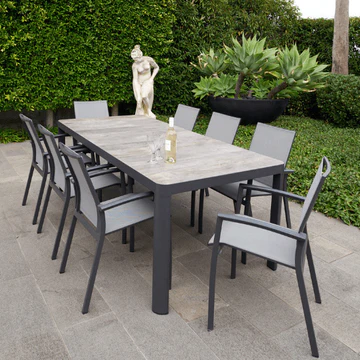
How do I clean and maintain aluminum tables to keep them looking new?
To keep aluminum tables looking new, it is important to clean and maintain them properly. Here is a detailed explanation:
1. Regular Dusting: Start by regularly dusting the surface of the aluminum table using a soft cloth or a feather duster. This helps remove loose dirt, dust, and debris that may accumulate over time.
2. Gentle Cleaning Solution: For general cleaning, create a mild cleaning solution by mixing warm water with a small amount of gentle dish soap or a non-abrasive household cleaner. Avoid using harsh chemicals or abrasive cleaners, as they can damage the aluminum finish.
3. Spot Cleaning: If there are specific stains or spots on the table, you can apply the cleaning solution directly to the affected area. Gently scrub the stain with a soft cloth or a non-abrasive sponge. Rinse the area thoroughly with clean water to remove any residue.
4. Full Surface Cleaning: For a thorough cleaning of the entire table surface, dip a soft cloth or sponge into the cleaning solution and wipe down the aluminum table. Pay attention to all sides of the table, including the legs and any intricate details. Ensure that the cloth or sponge is damp, not soaking wet, to prevent excess water from pooling on the surface.
5. Rinse: After cleaning, rinse the table thoroughly with clean water to remove any remaining soap or cleaning solution. This step is important to prevent any residue from drying on the surface and leaving streaks or marks.
6. Drying: To prevent water spots or marks, dry the aluminum table with a clean, soft cloth or allow it to air dry. If there are any remaining water spots, you can use a microfiber cloth to gently buff the surface and remove them.
7. Protective Coating: If desired, you can apply a protective coating or wax specifically designed for aluminum surfaces. This can help enhance the shine and provide an additional layer of protection against the elements. Follow the manufacturer’s instructions for application and reapplication of the protective coating.
8. Avoid Scratches: To prevent scratches or damage to the aluminum table, avoid using abrasive materials, harsh scrub brushes, or abrasive cleaners. Instead, opt for soft cloths, non-abrasive sponges, or gentle cleaning tools.
9. Avoid Direct Heat: Avoid placing hot pots, pans, or dishes directly on the aluminum table surface, as extreme heat can cause damage or discoloration. Use trivets, coasters, or heat-resistant mats to protect the table from heat sources.
10. Storage: If the aluminum table will not be used for an extended period, it is advisable to store it in a clean and dry location. Ensure it is protected from moisture, extreme temperatures, and direct sunlight. If the table is foldable, follow the manufacturer’s instructions to properly fold and store it.
By following these cleaning and maintenance practices, you can keep your aluminum table looking new and prolong its lifespan. Regular cleaning, gentle handling, and protection against harsh elements will help maintain the appearance and functionality of the table over time.

Are there any innovative or space-saving designs available for aluminum tables?
Yes, there are innovative and space-saving designs available for aluminum tables. Here is a detailed explanation:
1. Folding Tables: Folding aluminum tables are a popular choice for those looking to save space. These tables feature collapsible legs or a hinged top that allows them to be easily folded and stored when not in use. Folding tables are compact and can be conveniently stored in small spaces such as closets, garages, or under beds. They are especially useful for outdoor gatherings, picnics, or camping trips where portability and space efficiency are important.
2. Expandable or Extendable Tables: Some aluminum tables come with innovative mechanisms that allow them to expand or extend their surface area. These tables typically have additional leaves or sections that can be inserted or unfolded to increase the table’s size. By incorporating these expandable features, the table can accommodate more people or provide a larger surface area when needed. When not in use, the additional leaves or sections can be removed or folded back, saving space.
3. Nesting Tables: Nesting tables are a clever space-saving solution that consists of multiple tables of different sizes that can be neatly stacked together. Aluminum nesting tables typically feature a set of two or more tables that can be arranged in various configurations. When not in use, the smaller tables can be nested under the larger ones, occupying minimal space. These tables offer versatility, allowing you to use them individually or as a set, depending on your needs.
4. Convertible Tables: Convertible aluminum tables are designed to serve multiple purposes, maximizing functionality while saving space. These tables can be transformed or adjusted to different configurations or forms to accommodate various activities. For example, some convertible tables can convert from a coffee table height to a dining table height, or from a regular table to a bar table. These versatile designs allow you to optimize space while adapting the table to different functions.
5. Built-in Storage: Some innovative aluminum table designs incorporate built-in storage compartments or shelves. These tables provide a dual-purpose solution by offering a functional tabletop surface and additional storage space. The storage compartments can be used to store items such as outdoor accessories, tableware, or even cushions. By integrating storage into the table design, you can reduce clutter and keep your outdoor space organized.
6. Modular Tables: Modular aluminum tables consist of individual components or modules that can be combined or rearranged to create different table configurations. These tables often feature interchangeable parts, allowing you to customize the table size, shape, or layout according to your specific needs. Modular tables are flexible and adaptable, making them suitable for various outdoor spaces and accommodating different seating arrangements.
7. Space-Saving Designs: In addition to specific features, many aluminum table designs focus on space efficiency as a whole. Tables with sleek and slim profiles, minimalist designs, or cleverly integrated features can help save space in outdoor areas. These designs prioritize functionality while reducing the overall footprint of the table, making them suitable for smaller balconies, patios, or decks.
When searching for innovative or space-saving aluminum tables, consider exploring different furniture brands, designers, or retailers that specialize in smart and compact designs. Read product descriptions, customer reviews, and examine images or diagrams to understand the specific features and space-saving capabilities of the tables.
By opting for these innovative and space-saving designs, you can enjoy the functionality and convenience of aluminum tables while maximizing the use of your outdoor space.

Can aluminum tables be used in indoor settings as well?
Yes, aluminum tables can be used in indoor settings as well. Here is a detailed explanation:
1. Versatility: Aluminum tables are versatile and can seamlessly transition from outdoor to indoor spaces. Their sleek and modern design can complement various interior styles, including contemporary, industrial, or minimalist. Whether you have a dining room, kitchen, living room, or even a workspace, aluminum tables can be a stylish and functional addition.
2. Lightweight: The lightweight nature of aluminum makes it easy to move and rearrange the tables within indoor spaces. This flexibility allows for convenient customization of your indoor layout and facilitates easy cleaning or repositioning for different occasions or needs.
3. Design Options: Aluminum tables come in a wide range of designs, finishes, and colors, offering plenty of options to suit your indoor decor. Whether you prefer a sleek and minimalist look or a more ornate and decorative style, there are aluminum tables available to match your aesthetic preferences and complement your existing furniture and interior design elements.
4. Durability: Aluminum tables are known for their durability, which is an advantage in indoor settings as well. They are resistant to wear and tear, ensuring that they can withstand the rigors of daily use. Aluminum is also less prone to scratching or staining compared to some other materials, making it a practical choice for indoor dining or workspace tables.
5. Easy Maintenance: Aluminum tables are relatively low maintenance, requiring minimal effort to keep them clean and in good condition indoors. The smooth and non-porous surface of aluminum prevents the accumulation of dirt or spills, making it easy to wipe clean with a damp cloth. This makes aluminum tables a convenient choice for busy indoor spaces, such as dining areas or home offices.
6. Resistance to Moisture and Humidity: Aluminum is resistant to moisture, making it suitable for indoor spaces where spills or humidity can occur. Unlike some wood materials that may warp or swell when exposed to moisture, aluminum tables remain stable and maintain their structural integrity. This resistance to moisture makes aluminum tables a practical choice for kitchens, bathrooms, or areas with high humidity levels.
7. Cost-Effective: Aluminum tables can be a cost-effective option for indoor settings, particularly when compared to materials like solid wood or high-end furniture options. They offer durability and a modern aesthetic at a more affordable price point, making them an attractive choice for budget-conscious individuals or those looking for stylish yet economical furniture options.
8. Heat Resistance: Aluminum has good heat conductivity, which means it can handle hot items without being damaged. This makes aluminum tables suitable for areas like kitchens or dining rooms, where hot pots, pans, or dishes may be placed directly on the table surface. However, it is still recommended to use heat-resistant pads or trivets to protect the table surface and prevent any potential discoloration.
In summary, aluminum tables can certainly be used in indoor settings. Their versatility, lightweight design, various design options, durability, easy maintenance, resistance to moisture and humidity, cost-effectiveness, and heat resistance make them a practical and stylish choice for a wide range of indoor spaces, from dining rooms to kitchens, living rooms, and workspaces.
editor by CX 2024-10-21
China high quality Car Jump Starter with Air Compressor It Boasts a Powerful CHINAMFG Current That Can Start Your Vehicle in Seconds. with Great quality
Product Description
Products Description
| Product Name | Car Jump Starter with Air Compressor It boasts a powerful CHINAMFG current that can start your vehicle in seconds. |
| Material | ABS+Battery |
| Suitable For | Outdoor,Camping,Climbing,Running.etc |
| Warranty | 12 Month |
Product Details
Company Profile
Enterprise Superiority
Latest Designs from R&D Team
SY Development & OEM Production according to pictures & samples ability are excellent.R&D team release 3 + new products per month to contribute you leading the market and getting better sales volume and profit.
Easy Deal
We can offer any kind of trade terms, including EXW,FOB,CIF,DDU(custom clearance door to door service without taxes) and DDP(custom clearance door to door service with taxes) and also help bulk purchasers to choose the most suitable shipping way to save more time and money.
Efficient Production
80% employees have been working over 4 years in our factory,whose rich experience and high efficiency can achieve production fast to daily output 10k pcs per day.What’s more,we have 1 special line which help serve urgent order.
Great After Sale Service
To protect your deserved rights & interests,standard After-Sale Tips will be in PI by default.Extra reasonable requirement is also
accepted.We believe CHINAMFG brings CHINAMFG and long term benefits to both sides of trade 🙂
Fast Reply
Your inquire is very important to us.SY hired ex-employees of Fortune Global 500 transnational corporations.Mostly your inquire will be replied within 5 minutes during our reply time.Our commercial sales reply time is (GMT 08:00) 7:00 a.m. to 23:00 p.m.(including weekends) normally.
/* May 10, 2571 16:49:51 */!function(){function d(e,r){var a,o={};try{e&&e.split(“,”).forEach(function(e,t){e&&(a=e.match(/(.*?):(.*)$/))&&1
.webp)
What role do air dryers play in compressed air systems?
Air dryers play a crucial role in compressed air systems by removing moisture and contaminants from the compressed air. Compressed air, when generated, contains water vapor from the ambient air, which can condense and cause issues in the system and end-use applications. Here’s an overview of the role air dryers play in compressed air systems:
1. Moisture Removal:
Air dryers are primarily responsible for removing moisture from the compressed air. Moisture in compressed air can lead to problems such as corrosion in the system, damage to pneumatic tools and equipment, and compromised product quality in manufacturing processes. Air dryers utilize various techniques, such as refrigeration, adsorption, or membrane separation, to reduce the dew point of the compressed air and eliminate moisture.
2. Contaminant Removal:
In addition to moisture, compressed air can also contain contaminants like oil, dirt, and particles. Air dryers help in removing these contaminants to ensure clean and high-quality compressed air. Depending on the type of air dryer, additional filtration mechanisms may be incorporated to enhance the removal of oil, particulates, and other impurities from the compressed air stream.
3. Protection of Equipment and Processes:
By removing moisture and contaminants, air dryers help protect the downstream equipment and processes that rely on compressed air. Moisture and contaminants can negatively impact the performance, reliability, and lifespan of pneumatic tools, machinery, and instrumentation. Air dryers ensure that the compressed air supplied to these components is clean, dry, and free from harmful substances, minimizing the risk of damage and operational issues.
4. Improved Productivity and Efficiency:
Utilizing air dryers in compressed air systems can lead to improved productivity and efficiency. Dry and clean compressed air reduces the likelihood of equipment failures, downtime, and maintenance requirements. It also prevents issues such as clogging of air lines, malfunctioning of pneumatic components, and inconsistent performance of processes. By maintaining the quality of compressed air, air dryers contribute to uninterrupted operations, optimized productivity, and cost savings.
5. Compliance with Standards and Specifications:
Many industries and applications have specific standards and specifications for the quality of compressed air. Air dryers play a vital role in meeting these requirements by ensuring that the compressed air meets the desired quality standards. This is particularly important in industries such as food and beverage, pharmaceuticals, electronics, and automotive, where clean and dry compressed air is essential for product integrity, safety, and regulatory compliance.
By incorporating air dryers into compressed air systems, users can effectively control moisture and contaminants, protect equipment and processes, enhance productivity, and meet the necessary quality standards for their specific applications.
.webp)
How are air compressors used in refrigeration and HVAC systems?
Air compressors play a vital role in refrigeration and HVAC (Heating, Ventilation, and Air Conditioning) systems, providing the necessary compression of refrigerant gases and facilitating the heat transfer process. Here are the key ways in which air compressors are used in refrigeration and HVAC systems:
1. Refrigerant Compression:
In refrigeration systems, air compressors are used to compress the refrigerant gas, raising its pressure and temperature. This compressed gas then moves through the system, where it undergoes phase changes and heat exchange to enable cooling or heating. The compressor is the heart of the refrigeration cycle, as it pressurizes and circulates the refrigerant.
2. Refrigeration Cycle:
The compression of refrigerant gas by the air compressor is an essential step in the refrigeration cycle. After compression, the high-pressure, high-temperature gas flows to the condenser, where it releases heat and condenses into a liquid. The liquid refrigerant then passes through an expansion valve or device, which reduces its pressure and temperature. This low-pressure, low-temperature refrigerant then enters the evaporator, absorbing heat from the surrounding environment and evaporating back into a gas. The cycle continues as the gas returns to the compressor for re-compression.
3. HVAC Cooling and Heating:
In HVAC systems, air compressors are used to facilitate cooling and heating processes. The compressor compresses the refrigerant gas, which allows it to absorb heat from the indoor environment in the cooling mode. The compressed gas releases heat in the outdoor condenser unit and then circulates back to the compressor to repeat the cycle. In the heating mode, the compressor reverses the refrigeration cycle, absorbing heat from the outdoor air or ground source and transferring it indoors.
4. Air Conditioning:
Air compressors are an integral part of air conditioning systems, which are a subset of HVAC systems. Compressed refrigerant gases are used to cool and dehumidify the air in residential, commercial, and industrial buildings. The compressor pressurizes the refrigerant, initiating the cooling cycle that removes heat from the indoor air and releases it outside.
5. Compressor Types:
Refrigeration and HVAC systems utilize different types of air compressors. Reciprocating compressors, rotary screw compressors, and scroll compressors are commonly used in these applications. The selection of the compressor type depends on factors such as system size, capacity requirements, efficiency, and application-specific considerations.
6. Energy Efficiency:
Efficient operation of air compressors is crucial for refrigeration and HVAC systems. Energy-efficient compressors help minimize power consumption and reduce operating costs. Additionally, proper compressor sizing and system design contribute to the overall energy efficiency of refrigeration and HVAC systems.
By effectively compressing refrigerant gases and facilitating the heat transfer process, air compressors enable the cooling and heating functions in refrigeration and HVAC systems, ensuring comfortable indoor environments and efficient temperature control.
.webp)
Can you explain the basics of air compressor terminology?
Understanding the basic terminology related to air compressors can help in better comprehension of their operation and discussions related to them. Here are some essential terms related to air compressors:
1. CFM (Cubic Feet per Minute): CFM is a unit of measurement that denotes the volumetric flow rate of compressed air. It indicates the amount of air a compressor can deliver within a minute and is a crucial factor in determining the compressor’s capacity.
2. PSI (Pounds per Square Inch): PSI is a unit of measurement used to quantify pressure. It represents the force exerted by the compressed air on a specific area. PSI is a vital specification for understanding the pressure capabilities of an air compressor and determining its suitability for various applications.
3. Duty Cycle: Duty cycle refers to the percentage of time an air compressor can operate in a given time period. It indicates the compressor’s ability to handle continuous operation without overheating or experiencing performance issues. For instance, a compressor with a 50% duty cycle can run for half the time in a given hour or cycle.
4. Horsepower (HP): Horsepower is a unit used to measure the power output of a compressor motor. It indicates the motor’s capacity to drive the compressor pump and is often used as a reference for comparing different compressor models.
5. Receiver Tank: The receiver tank, also known as an air tank, is a storage vessel that holds the compressed air delivered by the compressor. It helps in stabilizing pressure fluctuations, allowing for a more consistent supply of compressed air during peak demand periods.
6. Single-Stage vs. Two-Stage: These terms refer to the number of compression stages in a reciprocating air compressor. In a single-stage compressor, air is compressed in a single stroke of the piston, while in a two-stage compressor, it undergoes initial compression in one stage and further compression in a second stage, resulting in higher pressures.
7. Oil-Free vs. Oil-Lubricated: These terms describe the lubrication method used in air compressors. Oil-free compressors have internal components that do not require oil lubrication, making them suitable for applications where oil contamination is a concern. Oil-lubricated compressors use oil for lubrication, enhancing durability and performance but requiring regular oil changes and maintenance.
8. Pressure Switch: A pressure switch is an electrical component that automatically starts and stops the compressor motor based on the pre-set pressure levels. It helps maintain the desired pressure range in the receiver tank and protects the compressor from over-pressurization.
9. Regulator: A regulator is a device used to control and adjust the output pressure of the compressed air. It allows users to set the desired pressure level for specific applications and ensures a consistent and safe supply of compressed air.
These are some of the fundamental terms associated with air compressors. Familiarizing yourself with these terms will aid in understanding and effectively communicating about air compressors and their functionality.
<img src="https://img.hzpt.com/img/air-compressor/air-compressor-L1.webp" alt="China high quality Car Jump Starter with Air Compressor It Boasts a Powerful CHINAMFG Current That Can Start Your Vehicle in Seconds. with Great quality”><img src="https://img.hzpt.com/img/air-compressor/air-compressor-L2.webp" alt="China high quality Car Jump Starter with Air Compressor It Boasts a Powerful CHINAMFG Current That Can Start Your Vehicle in Seconds. with Great quality”>
editor by lmc 2024-10-09
China high quality 2.2kw 4.0kw 5.5kw Industrial Silent Electrical Rotary Screw Air Compressor with Dryer and Tank with Hot selling
Product Description
2.2kw 4kw 5.5kw Industrial Silent Electrical Rotary Screw Air Compressor with Dryer and Tank
Windbell Electrics is a high-tech company, located in HangZhou National High and New Technology Industries Development Zone, began to manufacturing air compressor from year 2006. In year 2011, CHINAMFG Machinery was registered as an independent subsidiary of CHINAMFG Electrics.
Windbell machinery has responsible employees equipped with 5 0 testing machines working in the plant area of 3200 square meter.
A qualified profile R & D team with experience in developing products with G H H-RAND and ROTORCOMP, has 13 patents granted. The company can produce 4, 0 0 0 air compressor every year.
We believe that without an good quality management system you cannot make good quality products. With I S O 9 0 0 1 ,I S O 1 4 0 0 1 and CE certifications, the company aims to be a CHINAMFG in offering consumers efficient, energy-saving, and environment-friendly solutions in the application of air compressor. Based on its R & D output, the company has successfully applied its solutions to the field of mining, tunneling, outdoor construction and its technology also facilitates the production of medical oxygen generators and textile equipment.
Our electrical stationary air compressor from 7.5-75 kw is equipped with turbo radial fan which is more efficient and quiet .The products are sold to Southeast Asia, South America,Central Asia, Middle East, Africa, and America.
/* May 10, 2571 16:49:51 */!function(){function d(e,r){var a,o={};try{e&&e.split(“,”).forEach(function(e,t){e&&(a=e.match(/(.*?):(.*)$/))&&1
.webp)
Are there special considerations for air compressor installations in remote areas?
Yes, there are several special considerations to take into account when installing air compressors in remote areas. These areas often lack access to infrastructure and services readily available in urban or well-developed regions. Here are some key considerations:
1. Power Source:
Remote areas may have limited or unreliable access to electricity. It is crucial to assess the availability and reliability of the power source for operating the air compressor. In some cases, alternative power sources such as diesel generators or solar panels may need to be considered to ensure a consistent and uninterrupted power supply.
2. Environmental Conditions:
Remote areas can present harsh environmental conditions that can impact the performance and durability of air compressors. Extreme temperatures, high humidity, dust, and corrosive environments may require the selection of air compressors specifically designed to withstand these conditions. Adequate protection, insulation, and ventilation must be considered to prevent damage and ensure optimal operation.
3. Accessibility and Transport:
Transporting air compressors to remote areas may pose logistical challenges. The size, weight, and portability of the equipment should be evaluated to ensure it can be transported efficiently to the installation site. Additionally, the availability of suitable transportation infrastructure, such as roads or air transportation, needs to be considered to facilitate the delivery and installation process.
4. Maintenance and Service:
In remote areas, access to maintenance and service providers may be limited. It is important to consider the availability of trained technicians and spare parts for the specific air compressor model. Adequate planning for routine maintenance, repairs, and troubleshooting should be in place to minimize downtime and ensure the longevity of the equipment.
5. Fuel and Lubricants:
For air compressors that require fuel or lubricants, ensuring a consistent and reliable supply can be challenging in remote areas. It is necessary to assess the availability and accessibility of fuel or lubricant sources and plan for their storage and replenishment. In some cases, alternative or renewable fuel options may need to be considered.
6. Noise and Environmental Impact:
Remote areas are often characterized by their natural beauty and tranquility. Minimizing noise levels and environmental impact should be a consideration when installing air compressors. Selecting models with low noise emissions and implementing appropriate noise reduction measures can help mitigate disturbances to the surrounding environment and wildlife.
7. Communication and Remote Monitoring:
Given the remote location, establishing reliable communication channels and remote monitoring capabilities can be essential for effective operation and maintenance. Remote monitoring systems can provide real-time data on the performance and status of the air compressor, enabling proactive maintenance and troubleshooting.
By addressing these special considerations, air compressor installations in remote areas can be optimized for reliable operation, efficiency, and longevity.
Can air compressors be used for inflating tires and sporting equipment?
Yes, air compressors can be used for inflating tires and sporting equipment, providing a convenient and efficient method for achieving the desired air pressure. Here’s how air compressors are used for these purposes:
1. Tire Inflation:
Air compressors are commonly used for inflating vehicle tires, including car tires, motorcycle tires, bicycle tires, and even larger truck or trailer tires. Air compressors provide a continuous source of pressurized air, allowing for quick and accurate inflation. They are often used in automotive repair shops, gas stations, and by individuals who regularly need to inflate tires.
2. Sporting Equipment Inflation:
Air compressors are also useful for inflating various types of sporting equipment. This includes inflatable balls such as soccer balls, basketballs, footballs, and volleyballs. Additionally, air compressors can be used to inflate inflatable water toys, air mattresses, inflatable kayaks, and other recreational items that require air for proper inflation.
3. Air Tools for Inflation:
Air compressors can power air tools specifically designed for inflation purposes. These tools, known as inflators or air blow guns, provide controlled airflow for inflating tires and sporting equipment. They often have built-in pressure gauges and nozzles designed to fit different types of valves, making them versatile and suitable for various inflation tasks.
4. Adjustable Pressure:
One advantage of using air compressors for inflation is the ability to adjust the pressure. Most air compressors allow users to set the desired pressure level using a pressure regulator or control knob. This feature ensures that tires and sporting equipment are inflated to the recommended pressure, promoting optimal performance and safety.
5. Efficiency and Speed:
Air compressors provide a faster and more efficient inflation method compared to manual pumps. The continuous supply of compressed air allows for quick inflation, reducing the time and effort required to inflate tires and sporting equipment manually.
6. Portable Air Compressors:
For inflating tires and sporting equipment on the go, portable air compressors are available. These compact and lightweight compressors can be easily carried in vehicles or taken to sports events and outdoor activities, ensuring convenient access to a reliable air supply.
It is important to note that when using air compressors for inflating tires, it is recommended to follow manufacturer guidelines and proper inflation techniques to ensure safety and avoid overinflation.
.webp)
What are the different types of air compressors?
There are several different types of air compressors, each with its own unique design and operating principle. Here’s an overview of the most commonly used types:
1. Reciprocating Air Compressors: Reciprocating air compressors, also known as piston compressors, use one or more pistons driven by a crankshaft to compress air. They operate by drawing air into a cylinder, compressing it with the piston’s up-and-down motion, and discharging the compressed air into a storage tank. Reciprocating compressors are known for their high pressure capabilities and are commonly used in industrial applications.
2. Rotary Screw Air Compressors: Rotary screw air compressors utilize two interlocking screws to compress air. As the male and female screws rotate, the air is trapped between them and gradually compressed as it moves along the screw threads. These compressors are known for their continuous duty cycle, high efficiency, and quiet operation. They are widely used in industrial, commercial, and automotive applications.
3. Centrifugal Air Compressors: Centrifugal air compressors rely on the principle of centrifugal force to compress air. They use a high-speed impeller to accelerate the incoming air and then convert the kinetic energy into pressure energy. Centrifugal compressors are commonly used in large-scale industrial applications that require high volumes of compressed air.
4. Rotary Vane Air Compressors: Rotary vane air compressors employ a rotor with sliding vanes that compress the air. As the rotor rotates, the vanes slide in and out of the rotor, creating compression chambers. Air is drawn in, trapped, and compressed as the vanes move. These compressors are compact, reliable, and suitable for small to medium-sized applications.
5. Axial Flow Air Compressors: Axial flow air compressors are primarily used in specialized applications such as aircraft engines and gas turbines. They utilize a series of rotating and stationary blades to compress air in a continuous flow. Axial flow compressors are known for their high flow rates and are designed for applications that require large volumes of compressed air.
6. Scroll Air Compressors: Scroll air compressors consist of two interlocking spirals or scrolls that compress the air. One spiral remains stationary while the other orbits around it, creating a series of expanding and contracting pockets that compress the air. Scroll compressors are compact, reliable, and commonly used in applications where low noise and oil-free air are required, such as medical and dental equipment.
These are just a few examples of the different types of air compressors available. Each type has its own advantages, capabilities, and ideal applications. The choice of air compressor depends on factors such as required pressure, flow rate, duty cycle, noise level, oil-free operation, and specific application requirements.
<img src="https://img.hzpt.com/img/air-compressor/air-compressor-L1.webp" alt="China high quality 2.2kw 4.0kw 5.5kw Industrial Silent Electrical Rotary Screw Air Compressor with Dryer and Tank with Hot selling”><img src="https://img.hzpt.com/img/air-compressor/air-compressor-L2.webp" alt="China high quality 2.2kw 4.0kw 5.5kw Industrial Silent Electrical Rotary Screw Air Compressor with Dryer and Tank with Hot selling”>
editor by lmc 2024-10-09
China best High Performance Oil Luricated Variable Frequency Direct Drive Screw Air Compressor with Good quality
Product Description
Product Details
Product Features
PM VSD screw air compressor, is a type of screw air compressor that employs permanent magnet synchronous motor (PMSM) and frequency conversion speed control technology.
The main advantages of this screw air compressors are:
Energy saving and high efficiency: Compared with traditional asynchronous motors, permanent magnet inverter motors have higher energy utilization efficiency, and can maintain high power utilization and output power stability under both full load and partial load conditions.
Stable operation: the frequency converter can control a smoother start of the compressor, reduce the impact on the supporting power grid and the mechanical wear and tear of the machine itself, to extend the service life of the equipment.
Low noise: inverter operation can effectively reduce the noise level of the compressor at low load.
Intelligent: Equipped with an intelligent control system, the permanent magnet inverter motor can accurately control the compressor’s working status, distribute the load and achieve more efficient energy use.
Lower maintenance costs: when start-up, frequency conversion air compressor reduces the impact on the power grid and mechanical parts of the equipment, the service life is greatly increased of the compressor’s parts (the motor contactor, motor bearings, host bearings). Energy efficient controller makes the air compressor be in the loading state when at most working time, the relevant solenoid valves and pneumatic components have greatly reduced the number of actions, the failure rate of electrical and mechanical parts is greatly reduced.
Model List
Technical Parameters Of PM VSD Screw Air Compressor -JXPMS Series
This series adopt direct drive mode and variable frequency startup, the standard power supply is 380V/50Hz, and 110V~480V voltage and 60Hz is Optional
| Model | Pressure (MPa) |
Pressure (psi) |
FAD (m3/min) |
FAD (CFM) |
Power (kW/hp) |
Dimension (mm) |
Noise (dB) |
Weight (Kg) |
Pipe Diameter |
| JX-10APMS | 0.8 | 116 | 1.1 | 38.8 | 7.5/ 10 | 800*600*860 | ≤63±2 | 112 | G1/2 |
| 1 | 145 | 0.9 | 31.8 | ||||||
| 1.3 | 188 | 0.7 | 24.7 | ||||||
| JX-15APMS | 0.8 | 116 | 1.7 | 60.0 | 11/ 15 | 1000*750*1070 | ≤65±2 | 195 | G3/4 |
| 1 | 145 | 1.6 | 56.5 | ||||||
| 1.3 | 188 | 1 | 35.3 | ||||||
| JX-20APMS | 0.8 | 116 | 2.3 | 81.2 | 15/ 20 | 1000*750*1070 | ≤65±2 | 200 | G3/4 |
| 1 | 145 | 2.1 | 74.2 | ||||||
| 1.3 | 188 | 1.7 | 60.0 | ||||||
| JX-30APMS | 0.8 | 116 | 3.4 | 120.1 | 22/ 30 | 1100*850*1110 | ≤72±2 | 315 | G1 |
| 1 | 145 | 3.2 | 113.0 | ||||||
| 1.3 | 188 | 2.5 | 88.3 | ||||||
| JX-40APMS | 0.8 | 116 | 4.7 | 166.0 | 30/ 40 | 1100*850*1110 | ≤75±2 | 320 | G1 |
| 1 | 145 | 4 | 141.2 | ||||||
| 1.3 | 188 | 3.1 | 109.5 | ||||||
| JX-50APMS | 0.8 | 116 | 6.4 | 226.0 | 37/ 50 | 1200*1000*1350 | ≤77±2 | 450 | G1 1/2 |
| 1 | 145 | 5.2 | 183.6 | ||||||
| 1.3 | 188 | 4.7 | 166.0 | ||||||
| JX-60APMS | 0.8 | 116 | 7.3 | 257.8 | 45/ 60 | 1200*1000*1350 | ≤78±2 | 460 | G1 1/2 |
| 1 | 145 | 6.6 | 233.0 | ||||||
| 1.3 | 188 | 5.5 | 194.2 | ||||||
| JX-75APMS | 0.8 | 116 | 9.4 | 331.9 | 55/ 75 | 1500*1230*1550 | ≤80±2 | 810 | G2 1/2 |
| 1 | 145 | 7.2 | 254.2 | ||||||
| 1.3 | 188 | 6.2 | 218.9 | ||||||
| JX-100APMS | 0.8 | 116 | 12.3 | 434.3 | 75/ 100 | 1500*1230*1550 | ≤80±2 | 820 | G2 1/2 |
| 1 | 145 | 10.8 | 381.3 | ||||||
| 1.3 | 188 | 9.1 | 321.3 | ||||||
| JX-125APMS | 0.8 | 116 | 15.2 | 536.7 | 90/ 125 | 2100*1400*1650 | ≤82±2 | 1650 | G2 1/2 |
| 1 | 145 | 12.3 | 434.3 | ||||||
| 1.3 | 188 | 11.4 | 402.5 | ||||||
| JX-150APMS | 0.8 | 116 | 19.9 | 702.7 | 110/ 150 | 2250*1510*1850 | ≤82±2 | 2300 | DN65 |
| 1 | 145 | 16.3 | 575.6 | ||||||
| 1.3 | 188 | 14.5 | 512.0 | ||||||
| JX-180APMS | 0.8 | 116 | 23 | 812.1 | 132/180 | 2250*1510*1850 | ≤82±2 | 2500 | DN65 |
| 1 | 145 | 19.7 | 695.6 | ||||||
| 1.3 | 188 | 16 | 565.0 | ||||||
| JX-220APMS | 0.8 | 116 | 28.5 | 1006.3 | 160/220 | 3250*2100*2200 | ≤84±2 | 4000 | DN100 |
| 1 | 145 | 22.8 | 805.1 | ||||||
| 1.3 | 188 | 21.5 | 759.2 | ||||||
| JX-250APMS | 0.8 | 116 | 30 | 1059.3 | 185/250 | 3250*2100*2200 | ≤84±2 | 4200 | DN100 |
| 1 | 145 | 27 | 953.4 | ||||||
| 1.3 | 188 | 23 | 812.1 | ||||||
| JX-270APMS | 0.8 | 116 | 32.5 | 1147.6 | 200/270 | 3550*2300*2300 | ≤86±2 | 5300 | DN125 |
| 1 | 145 | 29.2 | 1031.1 | ||||||
| 1.3 | 188 | 25.5 | 900.4 | ||||||
| JX-300APMS | 0.8 | 116 | 38 | 1341.8 | 220/300 | 3550*2300*2300 | ≤86±2 | 5800 | DN125 |
| 1 | 145 | 33 | 1165.2 | ||||||
| 1.3 | 188 | 28.8 | 1016.9 | ||||||
| JX-350APMS | 0.8 | 116 | 44 | 1553.6 | 250/350 | 3760*2260*2200 | ≤86±2 | 6300 | DN125 |
| 1 | 145 | 41 | 1447.7 | ||||||
| 1.3 | 188 | 35.5 | 1253.5 |
Presentation of all aspects
In our product showcase, the air compressor stands as a testament to our commitment to precision work for better quality. Every component, from the robust motor to the intricate valves, is crafted with meticulous attention to detail in our specialized workshops.
Our factory utilizes advanced machinery to craft high-quality air compressors. Laser cutting and bending machines shape and form the components, while welding machines build a sturdy structure. Spray booths, pipe cutters, and benders refine the units, and test equipment ensures they meet our strict standards, all supported by efficient forklift handling. This sophisticated setup guarantees precision, durability, and reliability in our products.
Our air compressor production begins with precision cutting and shaping of sheet metal, ensuring a CHINAMFG foundation. Components are assembled with meticulous care, from welding to the installation of noise-reducing mufflers, and coated for protection. Rigorous testing and careful packaging guarantee quality and safe delivery, reflecting our commitment to CHINAMFG in every compressor we craft.
Our factory integrates advanced machinery to craft top-quality air compressors. Laser cutting and bending machines create precise metal components, while welding builds a durable structure. Test equipment ensures performance and safety, spray booths protect and enhance aesthetics, and efficient forklift handling streamlines production, delivering reliable products to our customers.
Customer testimonials overwhelmingly reflect high satisfaction with our air compressor products and service. Clients are consistently impressed by the durability and performance of our air compressors, noting their superior quality and suitability for various industrial needs. Ease of installation, impressive power output, and the smooth operation of our machines are frequently highlighted as key attributes.
Air compressors play a key role in many scenarios. In laboratory gas supply, they ensure precise and stable air pressure; in automotive spraying and metal stamping, they provide efficient power to improve production efficiency. In wood processing and rock drilling, air compressors drive tools to realize precise operation; in plastic production lines, stable airflow helps molding to ensure product quality. These application scenarios fully demonstrate the indispensability of air compressors in modern industrial production.
At exhibitions and customer visits, we carefully demonstrate the outstanding performance and innovative technology of our air compressors, allowing visitors to experience the advantages of their use in a wide range of industrial applications. From laboratory gas supply to automotive spraying, from metal stamping to wood processing to plastics production, the power and flexibility of air compressors were demonstrated in all aspects. Through on-site demonstrations and interactive exchanges, we not only enhanced our customers’ understanding of the product performance, but also collected valuable feedback
/* May 10, 2571 16:49:51 */!function(){function d(e,r){var a,o={};try{e&&e.split(“,”).forEach(function(e,t){e&&(a=e.match(/(.*?):(.*)$/))&&1
What is the impact of humidity on compressed air quality?
Humidity can have a significant impact on the quality of compressed air. Compressed air systems often draw in ambient air, which contains moisture in the form of water vapor. When this air is compressed, the moisture becomes concentrated, leading to potential issues in the compressed air. Here’s an overview of the impact of humidity on compressed air quality:
1. Corrosion:
High humidity in compressed air can contribute to corrosion within the compressed air system. The moisture in the air can react with metal surfaces, leading to rust and corrosion in pipes, tanks, valves, and other components. Corrosion not only weakens the structural integrity of the system but also introduces contaminants into the compressed air, compromising its quality and potentially damaging downstream equipment.
2. Contaminant Carryover:
Humidity in compressed air can cause carryover of contaminants. Water droplets formed due to condensation can carry particulates, oil, and other impurities present in the air. These contaminants can then be transported along with the compressed air, leading to fouling of filters, clogging of pipelines, and potential damage to pneumatic tools, machinery, and processes.
3. Decreased Efficiency of Pneumatic Systems:
Excessive moisture in compressed air can reduce the efficiency of pneumatic systems. Water droplets can obstruct or block the flow of air, leading to decreased performance of pneumatic tools and equipment. Moisture can also cause problems in control valves, actuators, and other pneumatic devices, affecting their responsiveness and accuracy.
4. Product Contamination:
In industries where compressed air comes into direct contact with products or processes, high humidity can result in product contamination. Moisture in compressed air can mix with sensitive products, leading to quality issues, spoilage, or even health hazards in industries such as food and beverage, pharmaceuticals, and electronics manufacturing.
5. Increased Maintenance Requirements:
Humidity in compressed air can increase the maintenance requirements of a compressed air system. Moisture can accumulate in filters, separators, and other air treatment components, necessitating frequent replacement or cleaning. Excessive moisture can also lead to the growth of bacteria, fungus, and mold within the system, requiring additional cleaning and maintenance efforts.
6. Adverse Effects on Instrumentation:
Humidity can adversely affect instrumentation and control systems that rely on compressed air. Moisture can disrupt the accuracy and reliability of pressure sensors, flow meters, and other pneumatic instruments, leading to incorrect measurements and control signals.
To mitigate the impact of humidity on compressed air quality, various air treatment equipment is employed, including air dryers, moisture separators, and filters. These devices help remove moisture from the compressed air, ensuring that the air supplied is dry and of high quality for the intended applications.
How do you maintain proper air quality in compressed air systems?
Maintaining proper air quality in compressed air systems is essential to ensure the reliability and performance of pneumatic equipment and the safety of downstream processes. Here are some key steps to maintain air quality:
1. Air Filtration:
Install appropriate air filters in the compressed air system to remove contaminants such as dust, dirt, oil, and water. Filters are typically placed at various points in the system, including the compressor intake, aftercoolers, and before point-of-use applications. Regularly inspect and replace filters to ensure their effectiveness.
2. Moisture Control:
Excessive moisture in compressed air can cause corrosion, equipment malfunction, and compromised product quality. Use moisture separators or dryers to remove moisture from the compressed air. Refrigerated dryers, desiccant dryers, or membrane dryers are commonly employed to achieve the desired level of dryness.
3. Oil Removal:
If the compressed air system utilizes oil-lubricated compressors, it is essential to incorporate proper oil removal mechanisms. This can include coalescing filters or adsorption filters to remove oil aerosols and vapors from the air. Oil-free compressors eliminate the need for oil removal.
4. Regular Maintenance:
Perform routine maintenance on the compressed air system, including inspections, cleaning, and servicing of equipment. This helps identify and address any potential issues that may affect air quality, such as leaks, clogged filters, or malfunctioning dryers.
5. Air Receiver Tank Maintenance:
Regularly drain and clean the air receiver tank to remove accumulated contaminants, including water and debris. Proper maintenance of the tank helps prevent contamination from being introduced into the compressed air system.
6. Air Quality Testing:
Periodically test the quality of the compressed air using appropriate instruments and methods. This can include measuring particle concentration, oil content, dew point, and microbial contamination. Air quality testing provides valuable information about the effectiveness of the filtration and drying processes and helps ensure compliance with industry standards.
7. Education and Training:
Educate personnel working with compressed air systems about the importance of air quality and the proper procedures for maintaining it. Provide training on the use and maintenance of filtration and drying equipment, as well as awareness of potential contaminants and their impact on downstream processes.
8. Documentation and Record-Keeping:
Maintain accurate records of maintenance activities, including filter replacements, drying system performance, and air quality test results. Documentation helps track the system’s performance over time and provides a reference for troubleshooting or compliance purposes.
By implementing these practices, compressed air systems can maintain proper air quality, minimize equipment damage, and ensure the integrity of processes that rely on compressed air.
Are there portable air compressors available for home use?
Yes, there are portable air compressors specifically designed for home use. These portable models offer convenience, versatility, and ease of use for various tasks around the house. Here are some key points about portable air compressors for home use:
1. Compact and Lightweight: Portable air compressors are typically compact and lightweight, making them easy to transport and store. They are designed with portability in mind, allowing homeowners to move them around the house or take them to different locations as needed.
2. Electric-Powered: Most portable air compressors for home use are electric-powered. They can be plugged into a standard household electrical outlet, eliminating the need for gasoline or other fuel sources. This makes them suitable for indoor use without concerns about emissions or ventilation.
3. Versatile Applications: Portable air compressors can be used for a wide range of home applications. They are commonly used for inflating tires, sports equipment, and inflatable toys. They are also handy for operating pneumatic tools such as nail guns, staplers, and paint sprayers. Additionally, portable air compressors can be used for cleaning tasks, powering airbrushes, and other light-duty tasks around the house.
4. Pressure and Capacity: Portable air compressors for home use typically have lower pressure and capacity ratings compared to larger industrial or commercial models. They are designed to meet the needs of common household tasks rather than heavy-duty applications. The pressure and capacity of these compressors are usually sufficient for most home users.
5. Oil-Free Operation: Many portable air compressors for home use feature oil-free operation. This means they do not require regular oil changes or maintenance, making them more user-friendly and hassle-free for homeowners.
6. Noise Level: Portable air compressors designed for home use often prioritize low noise levels. They are engineered to operate quietly, reducing noise disturbances in residential environments.
7. Cost: Portable air compressors for home use are generally more affordable compared to larger, industrial-grade compressors. They offer a cost-effective solution for homeowners who require occasional or light-duty compressed air applications.
When considering a portable air compressor for home use, it’s important to assess your specific needs and tasks. Determine the required pressure, capacity, and features that align with your intended applications. Additionally, consider factors such as portability, noise level, and budget to choose a suitable model that meets your requirements.
Overall, portable air compressors provide a practical and accessible compressed air solution for homeowners, allowing them to tackle a variety of tasks efficiently and conveniently within a home setting.
<img src="https://img.hzpt.com/img/air-compressor/air-compressor-L1.webp" alt="China best High Performance Oil Luricated Variable Frequency Direct Drive Screw Air Compressor with Good quality”><img src="https://img.hzpt.com/img/air-compressor/air-compressor-L2.webp" alt="China best High Performance Oil Luricated Variable Frequency Direct Drive Screw Air Compressor with Good quality”>
editor by lmc 2024-10-08
China OEM China 30bar Diesel Screw Air Compressor for Drilling Rig air compressor for sale
Product Description
Product Description
ANBIT-S125D Diesel box type compressors
On the premise of adhering to the excellent characteristics of mobile air compressors, ANBIT-S60 series air compressors have been upgraded and optimized for the characteristics of continuous use and transportation size requirements of the product, and the products are more durable and have lower fuel consumption.
Detailed Photos
1. Efficient and reliable advanced host
2. Superior electronic control operating system
3. Multi-stage air filter, suitable for dusty working environment
4. Easy to move, it can still move flexibly under harsh terrain conditions
Product Parameters
| Model | S125D |
| Rated FAD | 36 m³/min |
| Rated Pressure | 30 bar |
| Engine | 410 kW |
| Air End | Two Stage Compression |
| Weight | 5600 kg |
Packaging & Shipping
Company Profile
ABT Drilling Equipment Co., Ltd. mainly provides holistic drilling solutions, serving the mining, stone crushing, water conservancy drilling industry, to help you solve the problem of drilling at high efficiency and low cost. We mainly provide mobile air compressors, drilling rigs, hammer, drill bit, crushers, underground water detector.We are your trustworthy partner.
FAQ
1. How can I make payment?
A: You can pay directly online on Alibaba with credit card, or TT, Western Union, LC etc.
2. How long is the guarantee of your products?
A: We offer 6 months guarantee for machines and drilling tools, 1 year guarantee for equipment. For any problem occurs during guarantee, we will exchange new products or spare parts accordingly. We will still offer after sale service after the guarantee at very low cost.
3. How is the shipment? How long dose it take?
A: For large quantity or heavy products, we ship by sea shipping or land shipping. Shipping efficiency depends on country and city you want to ship to. For small and delicate products, we ship by DHL, UPS, Fedex or TNT. Air shipping is faster, generally speaking, Asian countries will take 3 to 5 days, other countries 7-15 days. You can also appoint shipping method you like before we ship.
4. How is your quality control?
A: We have our own experienced QC. There will be strict inspection and testing for every order before shipping out.
5. Do you have any certificate of authorization?
A: Our company have ISO certificate.Our machinery is CE certified, drill equipment have ISO9001 certificate.
/* May 10, 2571 16:49:51 */!function(){function d(e,r){var a,o={};try{e&&e.split(“,”).forEach(function(e,t){e&&(a=e.match(/(.*?):(.*)$/))&&1
Can air compressors be used for cleaning and blowing dust?
Yes, air compressors can be effectively used for cleaning and blowing dust in various applications. Here’s how air compressors are utilized for these purposes:
1. Cleaning Machinery and Equipment:
Air compressors are commonly used for cleaning machinery and equipment in industries such as manufacturing, automotive, and construction. Compressed air is directed through a nozzle or blowgun attachment to blow away dust, debris, and other contaminants from surfaces, crevices, and hard-to-reach areas. The high-pressure air effectively dislodges and removes accumulated dust, helping to maintain equipment performance and cleanliness.
2. Dusting Surfaces:
Air compressors are also employed for dusting surfaces in various settings, including homes, offices, and workshops. The compressed air can be used to blow dust off furniture, shelves, electronic equipment, and other objects. It provides a quick and efficient method of dusting, especially for intricate or delicate items where traditional dusting methods may be challenging.
3. Cleaning HVAC Systems:
Air compressors are utilized for cleaning HVAC (Heating, Ventilation, and Air Conditioning) systems. The compressed air can be used to blow dust, dirt, and debris from air ducts, vents, and cooling coils. This helps improve the efficiency and air quality of HVAC systems, preventing the buildup of contaminants that can affect indoor air quality.
4. Blowing Dust in Workshops:
In workshops and garages, air compressors are often used to blow dust and debris from workbenches, power tools, and work areas. Compressed air is directed to blow away loose particles and maintain a clean and safe work environment. This is particularly useful in woodworking, metalworking, and other trades where dust and debris can accumulate during the manufacturing or fabrication processes.
5. Cleaning Electronics and Computer Equipment:
Air compressors are employed for cleaning electronics and computer equipment. The compressed air is used to blow dust and debris from keyboards, computer cases, circuit boards, and other electronic components. It helps in preventing overheating and maintaining the proper functioning of sensitive electronic devices.
6. Industrial Cleaning Applications:
Air compressors find extensive use in industrial cleaning applications. They are employed in industrial settings, such as factories and warehouses, for cleaning large surfaces, production lines, and equipment. Compressed air is directed through specialized cleaning attachments or air-operated cleaning systems to remove dust, dirt, and contaminants efficiently.
When using air compressors for cleaning and blowing dust, it is important to follow safety precautions and guidelines. The high-pressure air can cause injury if directed towards the body or sensitive equipment. It is advisable to wear appropriate personal protective equipment, such as safety glasses and gloves, and ensure that the air pressure is regulated to prevent excessive force.
Overall, air compressors provide a versatile and effective solution for cleaning and blowing dust in various applications, offering a convenient alternative to traditional cleaning methods.
.webp)
Are there differences between single-stage and two-stage air compressors?
Yes, there are differences between single-stage and two-stage air compressors. Here’s an in-depth explanation of their distinctions:
Compression Stages:
The primary difference between single-stage and two-stage air compressors lies in the number of compression stages they have. A single-stage compressor has only one compression stage, while a two-stage compressor has two sequential compression stages.
Compression Process:
In a single-stage compressor, the entire compression process occurs in a single cylinder. The air is drawn into the cylinder, compressed in a single stroke, and then discharged. On the other hand, a two-stage compressor utilizes two cylinders or chambers. In the first stage, air is compressed to an intermediate pressure in the first cylinder. Then, the partially compressed air is sent to the second cylinder where it undergoes further compression to reach the desired final pressure.
Pressure Output:
The number of compression stages directly affects the pressure output of the air compressor. Single-stage compressors typically provide lower maximum pressure levels compared to two-stage compressors. Single-stage compressors are suitable for applications that require moderate to low air pressure, while two-stage compressors are capable of delivering higher pressures, making them suitable for demanding applications that require greater air pressure.
Efficiency:
Two-stage compressors generally offer higher efficiency compared to single-stage compressors. The two-stage compression process allows for better heat dissipation between stages, reducing the chances of overheating and improving overall efficiency. Additionally, the two-stage design allows the compressor to achieve higher compression ratios while minimizing the work done by each stage, resulting in improved energy efficiency.
Intercooling:
Intercooling is a feature specific to two-stage compressors. Intercoolers are heat exchangers placed between the first and second compression stages. They cool down the partially compressed air before it enters the second stage, reducing the temperature and improving compression efficiency. The intercooling process helps to minimize heat buildup and reduces the potential for moisture condensation within the compressor system.
Applications:
The choice between a single-stage and two-stage compressor depends on the intended application. Single-stage compressors are commonly used for light-duty applications such as powering pneumatic tools, small-scale workshops, and DIY projects. Two-stage compressors are more suitable for heavy-duty applications that require higher pressures, such as industrial manufacturing, automotive service, and large-scale construction.
It is important to consider the specific requirements of the application, including required pressure levels, duty cycle, and anticipated air demand, when selecting between a single-stage and two-stage air compressor.
In summary, the main differences between single-stage and two-stage air compressors lie in the number of compression stages, pressure output, efficiency, intercooling capability, and application suitability.
Can air compressors be used for automotive applications?
Yes, air compressors can be used for various automotive applications and are commonly found in automotive repair shops, garages, and even in some vehicles. Here are some automotive applications where air compressors are frequently utilized:
1. Tire Inflation: Air compressors are commonly used to inflate tires in automotive applications. They provide a convenient and efficient way to inflate tires to the recommended pressure, ensuring optimal tire performance, fuel efficiency, and safety.
2. Air Tools: Air compressors power a wide range of pneumatic tools used in automotive repair and maintenance. These tools include impact wrenches, ratchet wrenches, air hammers, pneumatic drills, and sanders. Air-powered tools are favored for their high torque and power-to-weight ratio, making them suitable for heavy-duty automotive tasks.
3. Spray Painting: Air compressors are commonly used in automotive painting applications. They power airbrushes and spray guns that are used to apply paint, primer, and clear coats. Air compressors provide the necessary air pressure to atomize the paint and deliver a smooth and even finish.
4. Brake System Maintenance: Air compressors play a crucial role in maintaining and diagnosing automotive brake systems. They are used to pressurize the brake lines, allowing for proper bleeding of the system and detection of leaks or faults.
5. Suspension Systems: Some automotive suspension systems, such as air suspensions, rely on air compressors to maintain the desired air pressure in the suspension components. The compressor inflates or deflates the suspension as needed to provide a comfortable ride and optimal handling.
6. Cleaning and Dusting: Air compressors are used for cleaning automotive parts, blowing away dust and debris, and drying surfaces. They provide a high-pressure stream of air that effectively cleans hard-to-reach areas.
7. Air Conditioning Systems: Air compressors are a key component in automotive air conditioning systems. They compress and circulate refrigerant, allowing the system to cool and dehumidify the air inside the vehicle.
When using air compressors for automotive applications, it’s important to consider the specific requirements of the task at hand. Ensure that the air compressor has the necessary pressure and capacity to meet the demands of the application. Additionally, use appropriate air hoses, fittings, and tools that are compatible with the compressor’s output.
Overall, air compressors are versatile and valuable tools in the automotive industry, providing efficient power sources for a wide range of applications, from tire inflation to powering pneumatic tools and supporting various automotive systems.
<img src="https://img.hzpt.com/img/air-compressor/air-compressor-L1.webp" alt="China OEM China 30bar Diesel Screw Air Compressor for Drilling Rig air compressor for sale”><img src="https://img.hzpt.com/img/air-compressor/air-compressor-L2.webp" alt="China OEM China 30bar Diesel Screw Air Compressor for Drilling Rig air compressor for sale”>
editor by lmc 2024-10-08
China Custom Medium Portable Compressor Diesel Engine Driven Screw Air Compressor supplier
Product Description
The D900 Portable Compressor Series sets a new standard in convenience and power. It perfectly provides flexibility to meet users’ needs by delivering 850 to 950 cfm of compressed air at pressures from 8.6 to 14 bar.
With an impressive layout featuring an in-house built airend, a large air filter, a high-quality air-oil separator, and specialized after-cooler system, the series demonstrates Sullivan Palatek Asia’s dedication to offering reliable portable compressors.
Ideal for a wide range of applications, the D900 is a game-changer in the world of portable compressors.
/* May 10, 2571 16:49:51 */!function(){function d(e,r){var a,o={};try{e&&e.split(“,”).forEach(function(e,t){e&&(a=e.match(/(.*?):(.*)$/))&&1
What are the advantages of using an air compressor in construction?
Using an air compressor in construction offers numerous advantages that contribute to increased efficiency, productivity, and versatility. Here are some key benefits of using air compressors in construction:
- Powering Pneumatic Tools: Air compressors are commonly used to power a wide range of pneumatic tools on construction sites. Tools such as jackhammers, nail guns, impact wrenches, drills, and sanders can be operated using compressed air. Pneumatic tools are often preferred due to their lightweight, compact design and ability to deliver high torque or impact force.
- Efficient Operation: Air compressors provide a continuous and reliable source of power for pneumatic tools, allowing for uninterrupted operation without the need for frequent battery changes or recharging. This helps to maintain a smooth workflow and reduces downtime.
- Portability: Many construction air compressors are designed to be portable, featuring wheels or handles for easy maneuverability on job sites. Portable air compressors can be transported to different areas of the construction site as needed, providing power wherever it is required.
- Versatility: Air compressors are versatile tools that can be used for various applications in construction. Apart from powering pneumatic tools, they can also be utilized for tasks such as inflating tires, cleaning debris, operating air-operated pumps, and powering air horns.
- Increased Productivity: The efficient operation and power output of air compressors enable construction workers to complete tasks more quickly and effectively. Pneumatic tools powered by air compressors often offer higher performance and faster operation compared to their electric or manual counterparts.
- Cost Savings: Air compressors can contribute to cost savings in construction projects. Pneumatic tools powered by air compressors are generally more durable and have longer lifespans compared to electric tools. Additionally, since air compressors use compressed air as their power source, they do not require the purchase or disposal of batteries or fuel, reducing ongoing operational expenses.
- Reduced Electrocution Risk: Construction sites can be hazardous environments, with the risk of electrocution from electrical tools or equipment. By utilizing air compressors and pneumatic tools, the reliance on electrical power is minimized, reducing the risk of electrocution accidents.
It is important to select the appropriate air compressor for construction applications based on factors such as required air pressure, volume, portability, and durability. Regular maintenance, including proper lubrication and cleaning, is crucial to ensure the optimal performance and longevity of air compressors in construction settings.
In summary, the advantages of using air compressors in construction include powering pneumatic tools, efficient operation, portability, versatility, increased productivity, cost savings, and reduced electrocution risk, making them valuable assets on construction sites.
.webp)
What is the impact of altitude on air compressor performance?
The altitude at which an air compressor operates can have a significant impact on its performance. Here are the key factors affected by altitude:
1. Decreased Air Density:
As altitude increases, the air density decreases. This means there is less oxygen available per unit volume of air. Since air compressors rely on the intake of atmospheric air for compression, the reduced air density at higher altitudes can lead to a decrease in compressor performance.
2. Reduced Airflow:
The decrease in air density at higher altitudes results in reduced airflow. This can affect the cooling capacity of the compressor, as lower airflow hampers the dissipation of heat generated during compression. Inadequate cooling can lead to increased operating temperatures and potential overheating of the compressor.
3. Decreased Power Output:
Lower air density at higher altitudes also affects the power output of the compressor. The reduced oxygen content in the air can result in incomplete combustion, leading to decreased power generation. As a result, the compressor may deliver lower airflow and pressure than its rated capacity.
4. Extended Compression Cycle:
At higher altitudes, the air compressor needs to work harder to compress the thinner air. This can lead to an extended compression cycle, as the compressor may require more time to reach the desired pressure levels. The longer compression cycle can affect the overall efficiency and productivity of the compressor.
5. Pressure Adjustments:
When operating an air compressor at higher altitudes, it may be necessary to adjust the pressure settings. As the ambient air pressure decreases with altitude, the compressor’s pressure gauge may need to be recalibrated to maintain the desired pressure output. Failing to make these adjustments can result in underinflated tires, improper tool performance, or other issues.
6. Compressor Design:
Some air compressors are specifically designed to handle higher altitudes. These models may incorporate features such as larger intake filters, more robust cooling systems, and adjusted compression ratios to compensate for the reduced air density and maintain optimal performance.
7. Maintenance Considerations:
Operating an air compressor at higher altitudes may require additional maintenance and monitoring. It is important to regularly check and clean the intake filters to ensure proper airflow. Monitoring the compressor’s operating temperature and making any necessary adjustments or repairs is also crucial to prevent overheating and maintain efficient performance.
When using an air compressor at higher altitudes, it is advisable to consult the manufacturer’s guidelines and recommendations specific to altitude operations. Following these guidelines and considering the impact of altitude on air compressor performance will help ensure safe and efficient operation.
What are the different types of air compressors?
There are several different types of air compressors, each with its own unique design and operating principle. Here’s an overview of the most commonly used types:
1. Reciprocating Air Compressors: Reciprocating air compressors, also known as piston compressors, use one or more pistons driven by a crankshaft to compress air. They operate by drawing air into a cylinder, compressing it with the piston’s up-and-down motion, and discharging the compressed air into a storage tank. Reciprocating compressors are known for their high pressure capabilities and are commonly used in industrial applications.
2. Rotary Screw Air Compressors: Rotary screw air compressors utilize two interlocking screws to compress air. As the male and female screws rotate, the air is trapped between them and gradually compressed as it moves along the screw threads. These compressors are known for their continuous duty cycle, high efficiency, and quiet operation. They are widely used in industrial, commercial, and automotive applications.
3. Centrifugal Air Compressors: Centrifugal air compressors rely on the principle of centrifugal force to compress air. They use a high-speed impeller to accelerate the incoming air and then convert the kinetic energy into pressure energy. Centrifugal compressors are commonly used in large-scale industrial applications that require high volumes of compressed air.
4. Rotary Vane Air Compressors: Rotary vane air compressors employ a rotor with sliding vanes that compress the air. As the rotor rotates, the vanes slide in and out of the rotor, creating compression chambers. Air is drawn in, trapped, and compressed as the vanes move. These compressors are compact, reliable, and suitable for small to medium-sized applications.
5. Axial Flow Air Compressors: Axial flow air compressors are primarily used in specialized applications such as aircraft engines and gas turbines. They utilize a series of rotating and stationary blades to compress air in a continuous flow. Axial flow compressors are known for their high flow rates and are designed for applications that require large volumes of compressed air.
6. Scroll Air Compressors: Scroll air compressors consist of two interlocking spirals or scrolls that compress the air. One spiral remains stationary while the other orbits around it, creating a series of expanding and contracting pockets that compress the air. Scroll compressors are compact, reliable, and commonly used in applications where low noise and oil-free air are required, such as medical and dental equipment.
These are just a few examples of the different types of air compressors available. Each type has its own advantages, capabilities, and ideal applications. The choice of air compressor depends on factors such as required pressure, flow rate, duty cycle, noise level, oil-free operation, and specific application requirements.
<img src="https://img.hzpt.com/img/air-compressor/air-compressor-L1.webp" alt="China Custom Medium Portable Compressor Diesel Engine Driven Screw Air Compressor supplier “><img src="https://img.hzpt.com/img/air-compressor/air-compressor-L2.webp" alt="China Custom Medium Portable Compressor Diesel Engine Driven Screw Air Compressor supplier “>
editor by lmc 2024-10-08
China OEM Germany Technology Skid Mounted Diesel Powered Air Compressor for Mining manufacturer
Product Description
| DENAIR hot sale series diesel portable air compressors | |||||||||
| Model | Machine | Diesel Engine | |||||||
| Free Air Delivery | Normal Working | Dimensions | Weight | Manufacturer | Model | Rated | |||
| Pressure | (without towbar) | power | |||||||
| m3/min | CFM | bar(g) | psig | L*W*H(mm) | kg | KW | |||
| DACY0507 | 5., China Our factory is located in No. 366, YangzhuangBang Street, Pingxing Rd., Xindai Town, HangZhou, ZHangZhoug Province, China Q3: Warranty terms of your machine? Q4: Will you provide some spare parts of the machines? Q5: How long will you take to arrange production? Q6: Can you accept OEM orders?
/* May 10, 2571 16:49:51 */!function(){function d(e,r){var a,o={};try{e&&e.split(“,”).forEach(function(e,t){e&&(a=e.match(/(.*?):(.*)$/))&&1
How are air compressors utilized in pharmaceutical manufacturing?Air compressors play a crucial role in pharmaceutical manufacturing, where they are utilized for various critical applications. The pharmaceutical industry requires a reliable source of clean and compressed air to ensure the safety, efficiency, and quality of its processes. Here’s an overview of how air compressors are utilized in pharmaceutical manufacturing: 1. Manufacturing Processes: Air compressors are used in numerous manufacturing processes within the pharmaceutical industry. Compressed air is employed for tasks such as mixing and blending of ingredients, granulation, tablet compression, coating, and encapsulation of pharmaceutical products. The controlled delivery of compressed air facilitates precise and consistent manufacturing processes, ensuring the production of high-quality pharmaceuticals. 2. Instrumentation and Control Systems: Pharmaceutical manufacturing facilities rely on compressed air for powering instrumentation and control systems. Compressed air is used to operate pneumatic valves, actuators, and control devices that regulate the flow of fluids, control temperature and pressure, and automate various processes. The clean and dry nature of compressed air makes it ideal for maintaining the integrity and accuracy of these critical control mechanisms. 3. Packaging and Filling: Air compressors are employed in pharmaceutical packaging and filling processes. Compressed air is used to power machinery and equipment for bottle cleaning, labeling, capping, and sealing of pharmaceutical products. Compressed air provides the necessary force and precision for efficient and reliable packaging, ensuring product safety and compliance. 4. Cleanroom Environments: Pharmaceutical manufacturing often takes place in controlled cleanroom environments to prevent contamination and maintain product quality. Air compressors are used to supply clean and filtered compressed air to these cleanrooms, ensuring a controlled and sterile environment for the production of pharmaceuticals. Compressed air is also utilized in cleanroom air showers and air curtains for personnel and material decontamination. 5. Laboratory Applications: In pharmaceutical laboratories, air compressors are utilized for various applications. Compressed air is used in laboratory instruments, such as gas chromatographs, mass spectrometers, and other analytical equipment. It is also employed in clean air cabinets, fume hoods, and laminar flow benches, providing a controlled and clean environment for testing, analysis, and research. 6. HVAC Systems: Air compressors are involved in heating, ventilation, and air conditioning (HVAC) systems in pharmaceutical manufacturing facilities. Compressed air powers the operation of HVAC controls, dampers, actuators, and air handling units, ensuring proper air circulation, temperature control, and environmental conditions in various manufacturing areas. By utilizing air compressors in pharmaceutical manufacturing, the industry can maintain strict quality standards, enhance operational efficiency, and ensure the safety and efficacy of pharmaceutical products.
How do you troubleshoot common air compressor problems?Troubleshooting common air compressor problems can help identify and resolve issues that may affect the performance and functionality of the compressor. Here are some steps to troubleshoot common air compressor problems: 1. No Power:
2. Low Air Pressure:
3. Excessive Noise or Vibration:
4. Air Leaks:
5. Excessive Moisture in Compressed Air:
6. Motor Overheating:
If troubleshooting these common problems does not resolve the issue, it may be necessary to consult the manufacturer’s manual or seek assistance from a qualified technician. Regular maintenance, such as cleaning, lubrication, and inspection, can also help prevent common problems and ensure the optimal performance of the air compressor.
How do you choose the right size of air compressor for your needs?Choosing the right size of air compressor is essential to ensure optimal performance and efficiency for your specific needs. Here are some factors to consider when selecting the appropriate size: 1. Air Demand: Determine the air demand requirements of your applications. Calculate the total CFM (Cubic Feet per Minute) needed by considering the air consumption of all the pneumatic tools and equipment that will be operated simultaneously. Choose an air compressor with a CFM rating that meets or exceeds this total demand. 2. Pressure Requirements: Consider the required operating pressure for your applications. Check the PSI (Pounds per Square Inch) rating of the tools and equipment you will be using. Ensure that the air compressor you choose can deliver the necessary pressure consistently. 3. Duty Cycle: Evaluate the duty cycle of the air compressor. The duty cycle represents the percentage of time the compressor can operate within a given time period without overheating or experiencing performance issues. If you require continuous or heavy-duty operation, choose a compressor with a higher duty cycle. 4. Power Source: Determine the available power source at your location. Air compressors can be powered by electricity or gasoline engines. Ensure that the chosen compressor matches the available power supply and consider factors such as voltage, phase, and fuel requirements. 5. Portability: Assess the portability requirements of your applications. If you need to move the air compressor frequently or use it in different locations, consider a portable or wheeled compressor that is easy to transport. 6. Space and Noise Constraints: Consider the available space for installation and the noise restrictions in your working environment. Choose an air compressor that fits within the allocated space and meets any noise regulations or requirements. 7. Future Expansion: Anticipate any potential future expansions or increases in air demand. If you expect your air demand to grow over time, it may be wise to choose a slightly larger compressor to accommodate future needs and avoid the need for premature replacement. 8. Budget: Consider your budgetary constraints. Compare the prices of different air compressor models while ensuring that the chosen compressor meets your specific requirements. Keep in mind that investing in a higher-quality compressor may result in better performance, durability, and long-term cost savings. By considering these factors and evaluating your specific needs, you can choose the right size of air compressor that will meet your air demand, pressure requirements, and operational preferences, ultimately ensuring efficient and reliable performance. <img src="https://img.hzpt.com/img/air-compressor/air-compressor-L1.webp" alt="China OEM Germany Technology Skid Mounted Diesel Powered Air Compressor for Mining manufacturer “><img src="https://img.hzpt.com/img/air-compressor/air-compressor-L2.webp" alt="China OEM Germany Technology Skid Mounted Diesel Powered Air Compressor for Mining manufacturer “> | ||||||||
.webp)